

- 맞춤 실크 스카프
- 맞춤 넥타이
- 맞춤 나비 넥타이
- Custom Print Fabrics
- Printed Satin Silk Fabric
- Printed Twill Silk Fabric
- Printed Silk Crepe De Chine Fabric
- Printed Silk Georgette Fabric
- Printed Silk Habotai Fabric
- Printed Silk Jacquard Fabric
- Printed Silk Cotton Fabric
- Printed Silk Viscose Fabric
- Printed Silk Linen Fabric
- Printed Silk Tencel Fabric
- Printed Silk Modal Fabric
- Printed Silk Wool Fabric


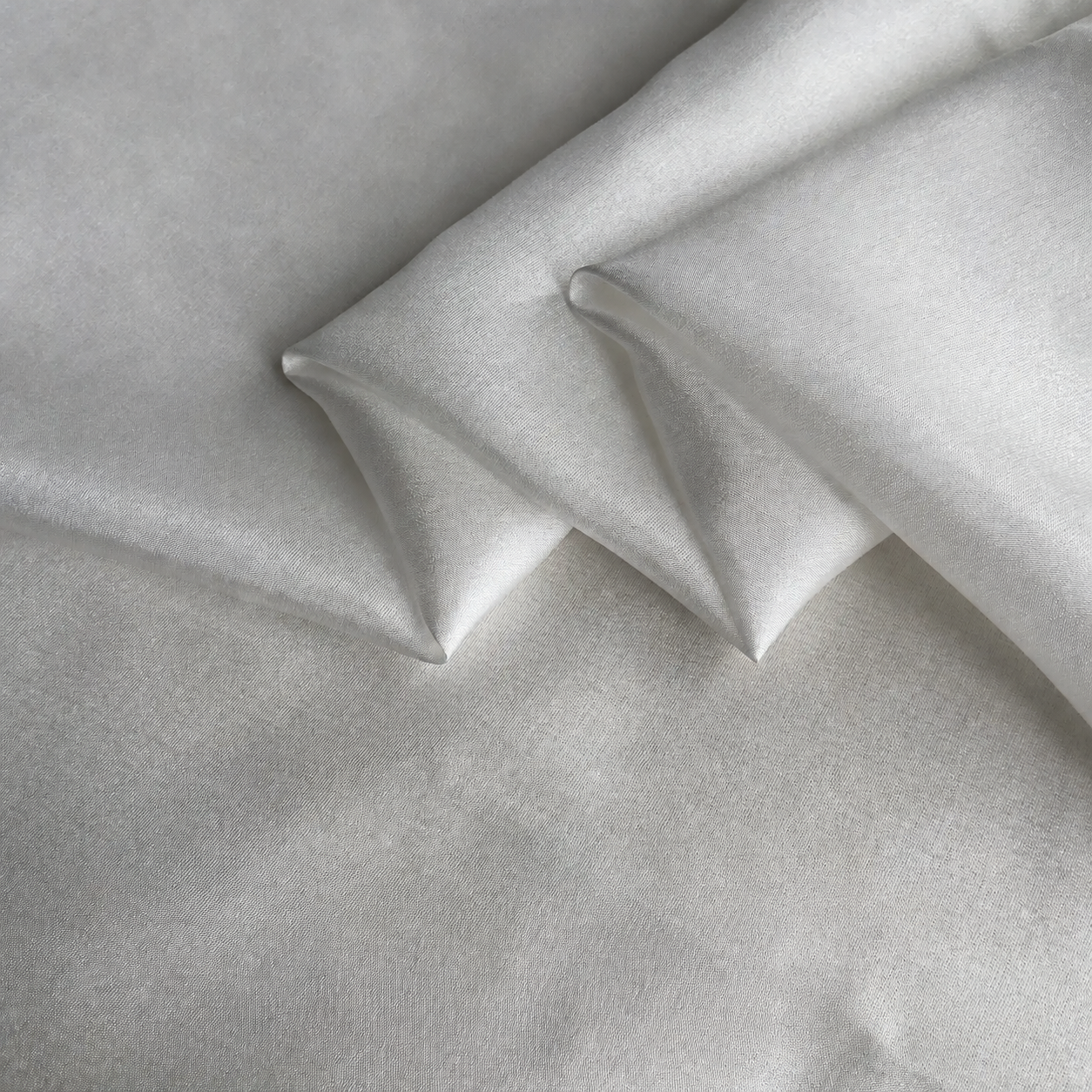
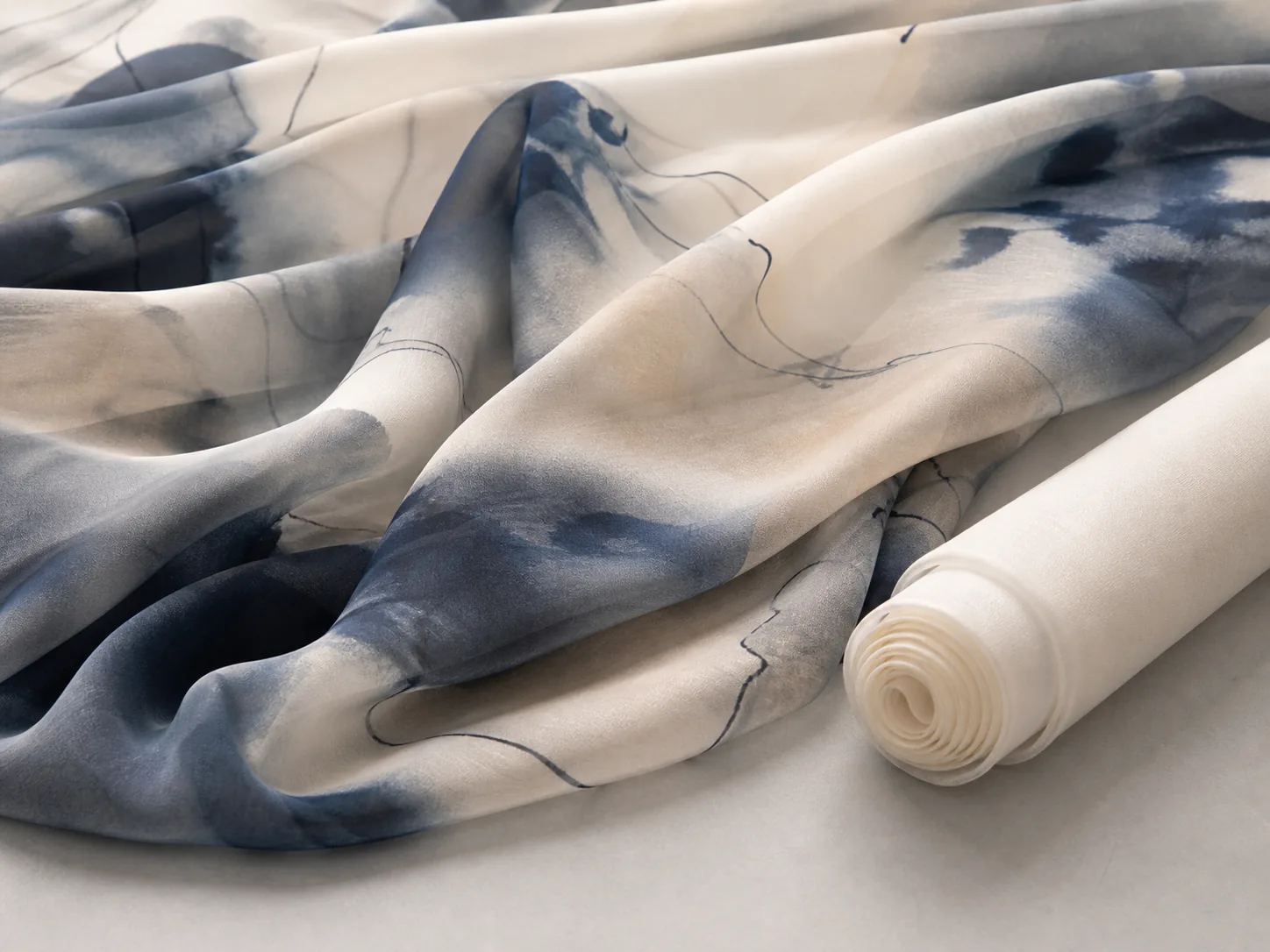
LIGHTWEIGHT SILK PRINTING
A smooth plain-weave silk with a light hand and clean print surface for linings, lightweight scarves, displays and creative applications.
- Smooth plain weave keeps artwork visually clean
- Lightweight construction is useful for lining and display projects
- A practical silk base for prototypes and varied creative applications
Why choose Silk Habotai Fabric?
Habotai offers an uncomplicated silk surface with gentle sheen and excellent lightness. It is a flexible starting point when a project needs an economical, smooth silk base for printed linings, accessories, banners or decorative textile components.
Plan the right base before sampling
Send your artwork, intended product, target hand feel, quantity and timing. We will match these needs to a current base cloth and confirm the practical sampling path before bulk production.
Fabric at a glance
| Fibre / construction | Plain-weave silk; lightweight bases commonly available |
|---|---|
| Surface | Smooth, fine and softly lustrous |
| Drape | Light and easy with limited structure |
| Print character | Clear colour and clean motifs on a simple weave |
| Common uses | Linings, light scarves, decorative panels and displays |
| Specification | Available width, weight, composition, quantity and finishing options are confirmed with the swatch and quotation. |
Need an exact technical specification? We confirm the current base-cloth data, finishing route and sample availability in your project quotation.
Where this fabric works best
Custom linings
Adds branded colour and artwork inside garments, cases and accessories.
Light accessories
Suitable for delicate scarves and decorative textile pieces.
Displays and props
A useful base for visual merchandising and lightweight fabric graphics.
Artwork and sampling notes
- Confirm opacity requirements early, especially for light colours and single-layer products.
- Borders and motifs should allow for the movement of a very lightweight cloth during finishing.
- Request a physical swatch when comparing habotai with heavier twill or satin options.
From file to approved fabric
- Brief: share artwork, colour references, end use and target quantity.
- Base selection: compare suitable constructions, weights and finishes.
- Strike-off: review colour, scale and print behaviour on the selected fabric.
- Bulk production: approve the sample standard before printing and final inspection.
Frequently asked questions
What is silk habotai?
Habotai is a lightweight, plain-weave silk known for its smooth hand, gentle sheen and easy drape. It is usually softer and less structured than twill and less textured than crepe de Chine, which makes it useful for linings, light scarves, banners and other applications that need a clean, fluid base. Weight and finishing have a strong effect on opacity and durability. Because light bases may show more colour on the reverse, we recommend approving the chosen construction and print on a physical swatch rather than judging the result from artwork alone.
Is it suitable for garment lining?
Yes, habotai is commonly selected for lightweight, breathable-feeling garment linings, but the correct weight should match the outer fabric and expected wear. Very light constructions maximise fluidity but can be more transparent and delicate; heavier habotai offers greater coverage and body. Printed linings also need allowances for seam placement, cutting direction and possible colour show-through. Tell us the garment type, outer fabric, desired opacity and care requirements. We can compare suitable bases and confirm hand feel, print behaviour and practical durability with a swatch or sample.
How does it differ from twill?
Habotai uses a simple plain weave, giving it a smooth, light and flexible character. Twill has a visible diagonal structure and generally offers more body, shape retention and resistance to creasing. Habotai is often chosen for linings, lightweight scarves and flowing applications, while twill is popular for scarves and accessories that need a firmer fold or knot. Print colour and reverse-side penetration can also differ because of weave density and weight. The most reliable comparison is to review swatches in the intended weight and approve the final artwork on the selected fabric.
Build your print on the right fabric
Send the design file, target product, dimensions and quantity. CarinaSilk will recommend a base cloth and sampling route for your project.