

- 맞춤 실크 스카프
- 맞춤 넥타이
- 맞춤 나비 넥타이
- Custom Print Fabrics
- Printed Satin Silk Fabric
- Printed Twill Silk Fabric
- Printed Silk Crepe De Chine Fabric
- Printed Silk Georgette Fabric
- Printed Silk Habotai Fabric
- Printed Silk Jacquard Fabric
- Printed Silk Cotton Fabric
- Printed Silk Viscose Fabric
- Printed Silk Linen Fabric
- Printed Silk Tencel Fabric
- Printed Silk Modal Fabric
- Printed Silk Wool Fabric


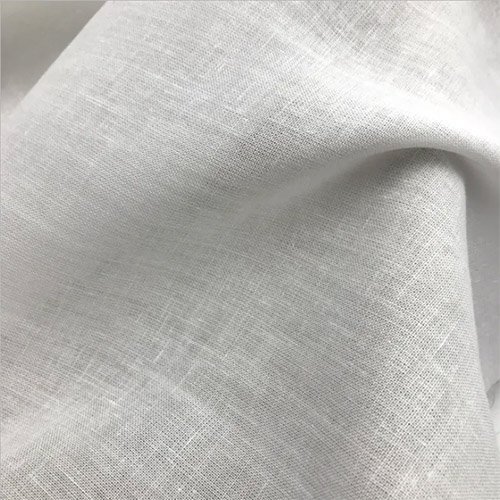
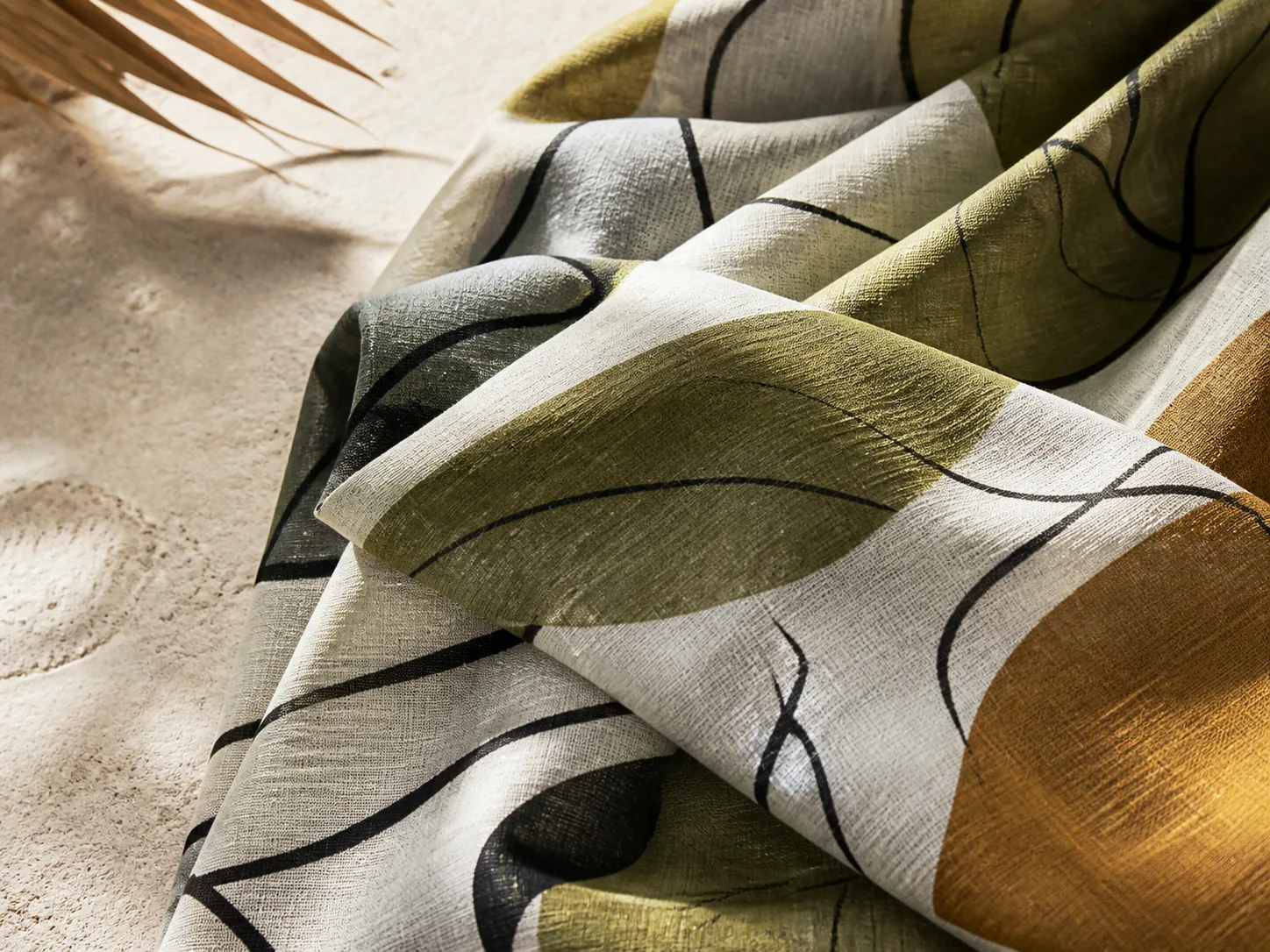
TEXTURED NATURAL-BLEND PRINTING
A tactile silk-linen blend that combines natural slub character with a subtle refined glow for relaxed fashion and lifestyle applications.
- Natural slub texture gives every print additional character
- Balanced body suits relaxed tailoring and resort silhouettes
- Silk adds refinement to an otherwise earthy linen surface
Why choose Silk Linen Fabric?
Silk linen is designed for projects that want visible texture and a natural story. Linen contributes body and irregular surface character, while silk softens the hand and adds understated depth to the colour.
Plan the right base before sampling
Send your artwork, intended product, target hand feel, quantity and timing. We will match these needs to a current base cloth and confirm the practical sampling path before bulk production.
Fabric at a glance
| Fibre / construction | Silk and linen blend with natural slub variation |
|---|---|
| Surface | Dry, textured and softly refined |
| Drape | Relaxed with noticeable body |
| Print character | Organic colour appearance; fine details interact with slubs |
| Common uses | Resortwear, jackets, dresses, scarves and lifestyle textiles |
| Specification | Available width, weight, composition, quantity and finishing options are confirmed with the swatch and quotation. |
Need an exact technical specification? We confirm the current base-cloth data, finishing route and sample availability in your project quotation.
Where this fabric works best
Resortwear
A natural fit for relaxed dresses, overshirts and warm-weather separates.
Textured scarves
Creates tactile accessories with a less formal, artisanal mood.
Lifestyle pieces
Works for decorative textiles and limited-edition home or gift concepts.
Artwork and sampling notes
- Treat slubs as part of the design; ultra-fine lines will appear more organic than on satin.
- Allow for natural texture and shade movement when setting approval tolerances.
- Confirm expected softness and washing method because finish changes the final hand.
From file to approved fabric
- Brief: share artwork, colour references, end use and target quantity.
- Base selection: compare suitable constructions, weights and finishes.
- Strike-off: review colour, scale and print behaviour on the selected fabric.
- Bulk production: approve the sample standard before printing and final inspection.
Frequently asked questions
Will the print look perfectly even?
Not always, and that natural variation is part of the material’s character. Linen yarns commonly show slubs and changes in thickness, so small areas of a print may appear slightly lighter, darker or more textured than on a smooth satin. The silk component can refine the hand and surface, but it does not remove every natural feature. Large colour fields, very fine lines and flat geometric areas should be evaluated carefully. A strike-off on the selected lot allows you to approve the acceptable level of texture and colour variation before bulk production.
Does silk make linen softer?
It can. In many silk-linen blends, silk contributes a smoother touch, subtle lustre and more fluid drape, while linen retains body, texture and a dry natural character. The balance depends on fibre ratio, yarn quality, weave and finishing, so composition figures alone do not fully predict softness. Some constructions remain crisp; others become noticeably supple. Tell us the intended product and reference hand feel and we can compare suitable bases. A physical swatch is the best way to judge softness, weight and surface before approving a printed sample.
What artwork works best?
Botanical, painterly, geometric and hand-drawn designs often work especially well because the visible fibre texture becomes part of the aesthetic. Strong shapes and comfortable line weights are more reliable than micro-text, hairlines or large areas that must look perfectly flat. Natural slubs may interrupt tiny details, and colours can appear more muted than on a glossy silk base. Supply artwork at final scale and identify critical elements. We recommend a strike-off to review texture interaction, repeat, colour and detail before bulk printing.
Build your print on the right fabric
Send the design file, target product, dimensions and quantity. CarinaSilk will recommend a base cloth and sampling route for your project.